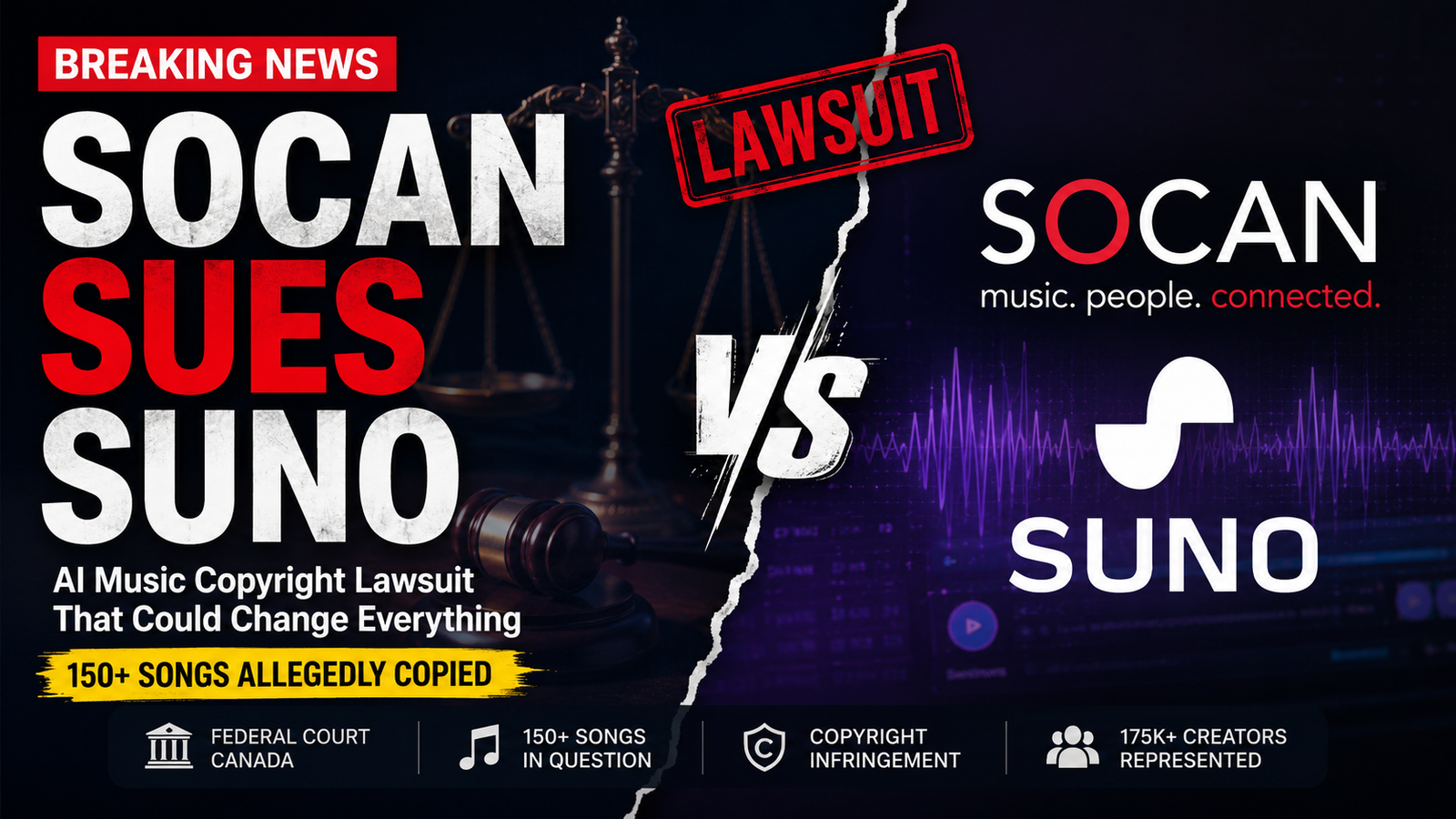
In the last year alone, the music industry has seen a flood of AI-generated content. While tools like Suno, Udio, and AI-assisted mastering plugins have democratized music creation, streaming giants are heavily cracking down on platform abuse.
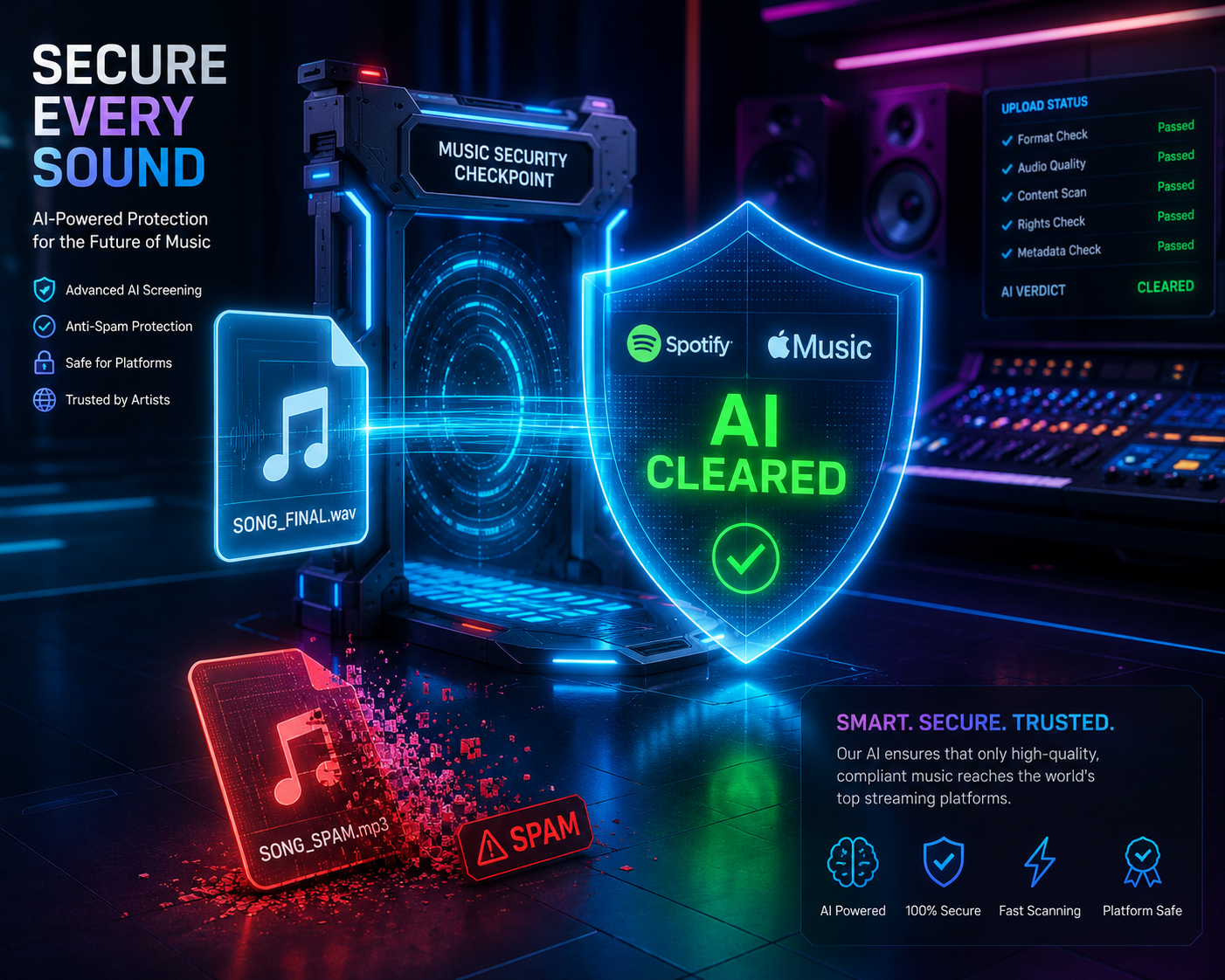
In late 2025 and moving into 2026, Spotify made headlines by removing over 75 million "spammy" and fraudulent tracks from its platform. Apple Music followed suit, doubling down on anti-fraud measures and stripping billions of fraudulent streams from royalty calculations.
If you use AI in your music production workflow, you might be wondering: Is my music safe, or could my next release get taken down? The good news is that streaming platforms are not banning AI—they are banning "slop" and bad actors. Here is exactly what you need to know about the 2026 AI policies and how to protect your catalog.
The 3 Golden Rules of 2026 AI Streaming Policies
To keep your tracks safe on platforms like Spotify, Apple Music, and Deezer, you must understand the three core violations that trigger automatic takedowns:
1. The Impersonation Ban (Unauthorized Voice Cloning)
Spotify and Apple Music have zero tolerance for unauthorized deepfakes. If you use an AI voice model that is "clearly recognizable as another artist's voice" without explicit, documented legal consent, your track will be removed immediately. Never market an AI-generated track using deceptive metadata like "feat. Drake" or "feat. Taylor Swift" to trick listeners.
2. The "Spam and Slop" Filter
Platforms are actively hunting down "content farms". Spotify’s algorithmic spam filters are designed to penalize:
- Mass Uploads: Uploading 20 highly generic tracks in a single week.
- Raw, Unedited AI Outputs: Uploading unmastered, abrupt AI generations that sound robotic and lack traditional song structures (intros, bridges, outros).
- Artificially Short Tracks: Churning out 2-minute loops explicitly designed to game the 30-second monetization threshold.
3. Commercial Rights & Free-Tier Generations
Distributors (like Aatistic, TuneCore, and ONCE) will reject your music if you don't actually own the commercial rights to the AI generation. For example, free-tier tracks generated on platforms like Suno are for personal use only. You must have an active paid subscription that grants commercial distribution rights at the time of creation.
How to Safely Release AI-Assisted Music in 2026
If you are using AI as part of your creative process, here is the exact workflow you must follow to ensure your music stays online and earns royalties:
- Edit Your Stems: Don't just export a raw stereo file from an AI generator and upload it. Use stem separation tools to extract the vocals and instrumentals. Mix them properly, add your own EQ and compression, and give the track a human touch.
- Use DDEX AI Disclosure Metadata: Transparency is key in 2026. When uploading through your distributor, you will see new metadata fields asking if your track contains AI-generated vocals or instrumentation. Always check the box if applicable. Platforms like Apple Music and Spotify use this DDEX-compliant data to categorize your music. Disclosing AI use positions you as a responsible creator and prevents your track from being flagged as deceptive.
- Claim Yourself as the Artist: Never list "Suno AI" or "ChatGPT" as the artist or songwriter in your credits. AI tools are not legal entities. List your own brand/name as the composer and producer, as you are the human director behind the prompts.
Conclusion
The future of AI in the music industry isn't "generate and mass-upload"—it is "generate, curate, refine, and release". As long as you own your commercial rights, disclose your AI usage responsibly, and treat your tracks like genuine art rather than algorithm spam, your music is completely safe on major streaming platforms.